The Role of Hormones in Adult Acne Beyond Teenage Years
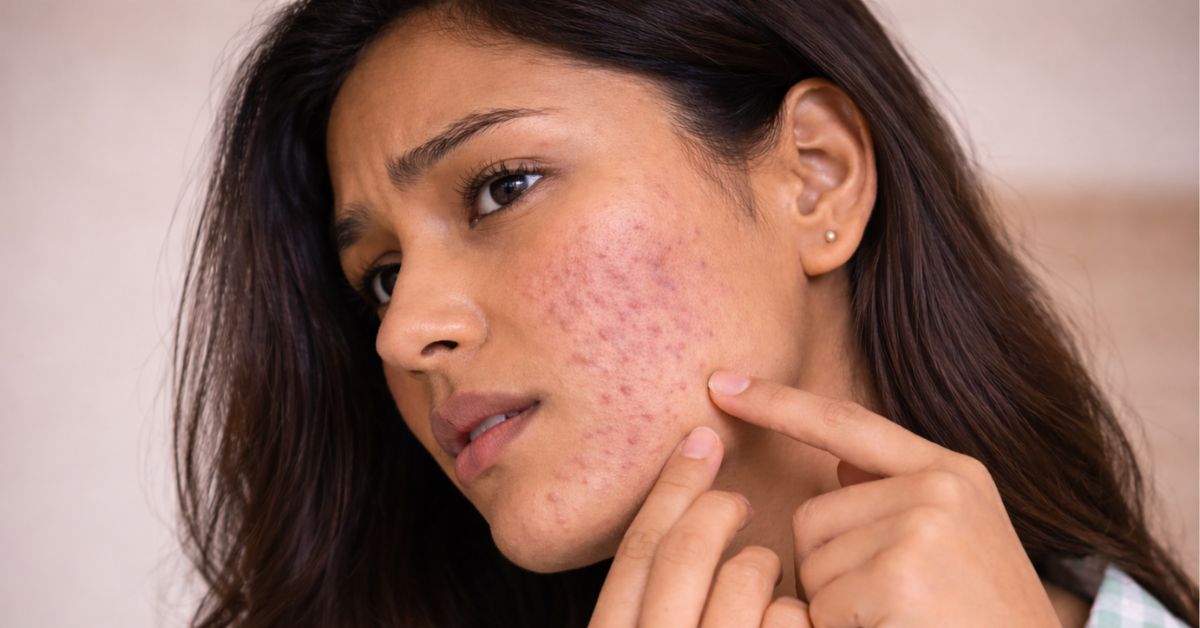
Acne is often thought of as a teenage concern. But for many people, breakouts don’t end with adolescence. In fact, adult acne is increasingly common, especially among women in their 20s, 30s, and even 40s.
If you are wondering “Why am I still getting acne at this age?”, the answer often lies deeper — in your hormonal balance.
What is Hormonal Acne?
Hormonal acne is acne that is driven by fluctuations or imbalances in hormones, particularly androgens (male hormones like testosterone that are present in both men and women).
These hormones influence the skin by:
Increasing oil (sebum) production
Making skin cells stick together and clog pores
Creating an environment where acne-causing bacteria thrive
Triggering inflammation
This combination leads to persistent, recurring breakouts, often in specific areas of the face.
Common Signs of Adult Hormonal Acne
Adult hormonal acne tends to look and behave differently from teenage acne.
You may notice:
Breakouts along the jawline, chin, and lower cheeks
Painful deep cystic pimples
Acne that flares before your menstrual cycle
Persistent acne that doesn’t respond to basic skincare
Oily skin combined with clogged pores
If this pattern sounds familiar, hormones are likely playing a key role.
What Causes Hormonal Imbalance in Adults?
Hormonal shifts can happen for many reasons, even if you’ve never had acne before.
1. Menstrual Cycle Fluctuations
Hormone levels naturally rise and fall throughout the month. The drop in estrogen and rise in androgens before your period can trigger breakouts.
2. Polycystic Ovary Syndrome (PCOS)
PCOS is a common condition that increases androgen levels, leading to acne, hair thinning, and irregular cycles.
3. Stress and Cortisol
When you are stressed, your body releases cortisol. This hormone can indirectly increase oil production and worsen acne.
4. Pregnancy or Postpartum Changes
Hormonal shifts during and after pregnancy can trigger sudden acne flare-ups.
5. Starting or Stopping Birth Control
Contraceptive pills regulate hormones. Changes in usage can lead to breakouts.
6. Poor Sleep and Lifestyle Factors
Lack of sleep, irregular routines, and poor diet can influence hormonal balance over time.
Why Adult Acne is Different from Teenage Acne
Teenage acne is mostly driven by puberty-related hormonal surges.
Adult acne, however, is often:
Chronic and recurring
Linked to internal triggers rather than just oily skin
More inflammatory and deeper
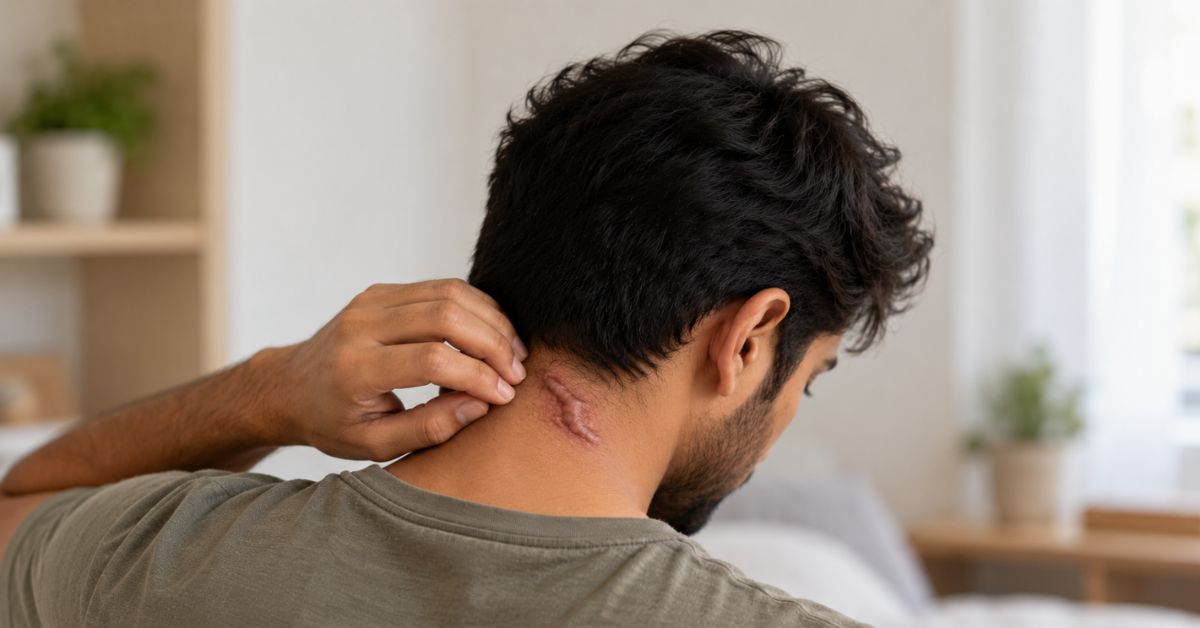
More likely to leave pigmentation or scarring
This is why adult acne often requires a more targeted and medical approach rather than over-the-counter products alone.
Why Your Current Skincare May Not Be Working
Many adults continue using products meant for teenage acne — strong cleansers, harsh scrubs, and drying treatments.
But with hormonal acne, the issue is internal, not just surface-level.
Overusing harsh products can:
Damage your skin barrier
Increase inflammation
Trigger more oil production
Make acne worse
This creates a frustrating cycle of trying new products without results.
How Dermatologists Treat Hormonal Acne
At Skindays, hormonal acne is treated with a combination approach, tailored to your skin, lifestyle, and medical history.
Treatment may include:
Medical Treatments
Prescription topical treatments to control breakouts
Oral medications (when needed) to regulate hormones or reduce inflammation
Clinical Procedures
Chemical peels to unclog pores and reduce marks
Laser treatments to control acne and pigmentation
PRP or skin boosters to improve healing and skin quality
Skincare Guidance
Medical-grade skincare suited for hormonal acne
Barrier-repair focused routines
Lifestyle & Hormonal Support
Guidance on diet, stress, and sleep habits
Referral for hormonal evaluation if required
Can Hormonal Acne Be Controlled?
Yes — with the right diagnosis and a structured treatment plan, hormonal acne can be effectively controlled and significantly improved.
The key is consistency and medical guidance, rather than constantly changing products.
When Should You See a Dermatologist?
You should consider a professional consultation if:
Your acne is persistent or recurring
You get painful or cystic breakouts
Acne is leaving dark spots or scars
Over-the-counter products aren’t helping
Your acne is affecting your confidence or daily life
Your Skin Deserves a Deeper Approach
Adult acne is not just a surface problem. It is often a sign that your skin needs medical attention, internal balance, and a structured treatment plan.
At Skindays Clinic, we look beyond just the breakouts, we understand the root cause, your lifestyle, and your long-term skin goals.
Book a consultation with Skindays and take the first step towards clearer, healthier skin from the inside out.