Is PRP or GFC the Right Treatment for Your Hair Loss?
Hair loss is one of the most common concerns we see at Skindays Clinic — and one of the most misunderstood.
Most people notice the signs late: more hair on the pillow, a wider parting, thinning at the temples, or hair that simply feels weaker than it used to. By the time it becomes visible, the follicles have often been struggling for months.
The good news is that early intervention works. And two of the most effective non-surgical treatments available today are PRP and GFC therapy. But which one is right for you?
What Is PRP for Hair Loss?
PRP stands for Platelet-Rich Plasma — a concentrated component extracted from your own blood.
Blood is made up of red cells, white cells, plasma, and platelets. Platelets are the body's natural repair agents. They contain growth factors that signal the body to heal, regenerate, and rebuild.
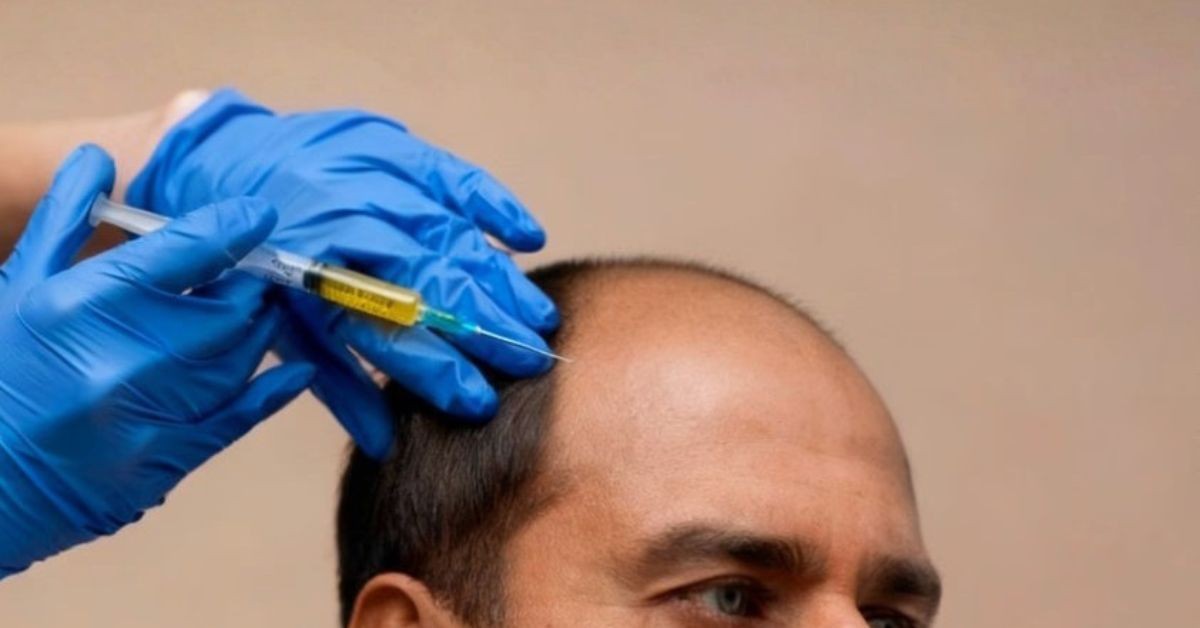
In PRP therapy, a small amount of your blood is drawn, processed in a centrifuge to concentrate the platelets, and then injected into areas of thinning on the scalp. The concentrated platelets deliver growth signals directly to the hair follicles — stimulating circulation, reducing inflammation, and encouraging dormant follicles to re-enter the growth phase.
What Is GFC and How Is It Different from PRP?
GFC stands for Growth Factor Concentrate. It is a more advanced, refined version of PRP.
While PRP contains platelets suspended in plasma, GFC takes the process further — extracting and concentrating only the growth factors from those platelets, removing unnecessary components like red blood cells and white blood cells that can cause discomfort.
The result is a purer, more potent solution with a significantly higher concentration of the growth factors that actually drive hair restoration.
Think of it this way: PRP is the whole extract. GFC is the active ingredient, isolated and amplified.
PRP vs GFC: Key Differences
PRP | GFC | |
|---|---|---|
What it contains | Platelet-rich plasma | Isolated growth factor concentrate |
Concentration | Moderate | Higher |
Discomfort | Mild | Generally lower |
Results | Effective for early hair loss | Faster and more pronounced results |
Ideal for | Mild to moderate thinning | Moderate to significant hair loss |
Both are derived from your own blood, making them safe and biocompatible. Neither involves surgery, synthetic chemicals, or significant downtime.
What Causes Hair Loss in the First Place?
Before understanding how these treatments help, it helps to know what's working against your hair.
Common causes of hair thinning include:
Androgenetic alopecia — genetic pattern hair loss in men and women
Hormonal imbalances — including thyroid issues and PCOS
Nutritional deficiencies — particularly iron, zinc, and biotin
Post-illness or post-fever shedding — a delayed response to physical stress
Stress and cortisol — elevated cortisol disrupts the hair growth cycle
Scalp inflammation — poor circulation and dandruff can weaken follicles over time
PRP and GFC work best when the follicles are still alive but dormant or weakened — which is why early treatment matters.
Who Is a Good Candidate?
PRP and GFC therapy are suitable for individuals experiencing:
Hair thinning or increased daily shedding
Early to moderate stages of male or female pattern hair loss
Weak, brittle, or slow-growing hair
Post-illness or stress-related hair fall
Hair loss that hasn't responded well to topical treatments alone
These treatments are not a solution for complete baldness, where follicles are no longer active. This is why a clinical assessment before treatment is essential — to determine whether your follicles can still respond.
What Happens During the Treatment?
The procedure is straightforward and completed in a single clinic visit.
A small sample of your blood is collected, similar to a routine blood test. It is then processed to extract either PRP or GFC, depending on what suits your condition. The concentrate is carefully injected into targeted areas of the scalp using fine needles. A topical numbing cream is applied beforehand to keep discomfort minimal.
The entire session takes approximately 45 to 60 minutes. There is no surgery, no general anaesthesia, and no recovery period — you can return to your normal routine the same day.
When Will You See Results?
Hair restoration is a gradual process. Here is a realistic timeline:
3 to 4 weeks: Reduced shedding, scalp feels healthier
6 to 8 weeks: Finer new hair beginning to emerge
2 to 3 months: Visible improvement in density and thickness
4 to 6 months: Full results of the treatment cycle
Most patients undergo 3 to 4 sessions spaced 4 to 6 weeks apart for optimal results, followed by maintenance sessions every 4 to 6 months.
Pre and Post-Care: What to Keep in Mind
Before treatment:
Avoid applying hair oils or serums on the day of your appointment
Do not take anti-inflammatory medications like ibuprofen 24 hours prior
Stay well-hydrated — it supports better blood quality and processing
After treatment:
Avoid washing your hair for 12 hours post-procedure
Skip steam, sauna, or intense workouts for 24 hours
Avoid harsh shampoos or chemical treatments for 2 to 3 days
How Skindays Approaches Hair Loss Treatment
At Skindays Clinic, we assess your hair and scalp condition thoroughly before recommending any treatment.
We consider:
The stage and pattern of your hair loss
Underlying causes such as hormonal, nutritional, or stress-related factors
Whether PRP or GFC is more appropriate for your specific case
A complete treatment plan, not just a one-time procedure
Hair restoration is not a one-session fix. It requires the right diagnosis, the right treatment, and a structured plan — and that is what we provide.
Hair Loss Has a Window. Do Not Wait Too Long.
The earlier you address hair thinning, the better your results will be. Once follicles are completely inactive, the window for non-surgical treatment closes.
If you have been noticing more hair fall than usual, or if your hair simply does not feel the way it used to — it is worth getting a proper assessment before it progresses further.
Book a consultation at Skindays Clinic and find out whether PRP or GFC is the right step for your hair.