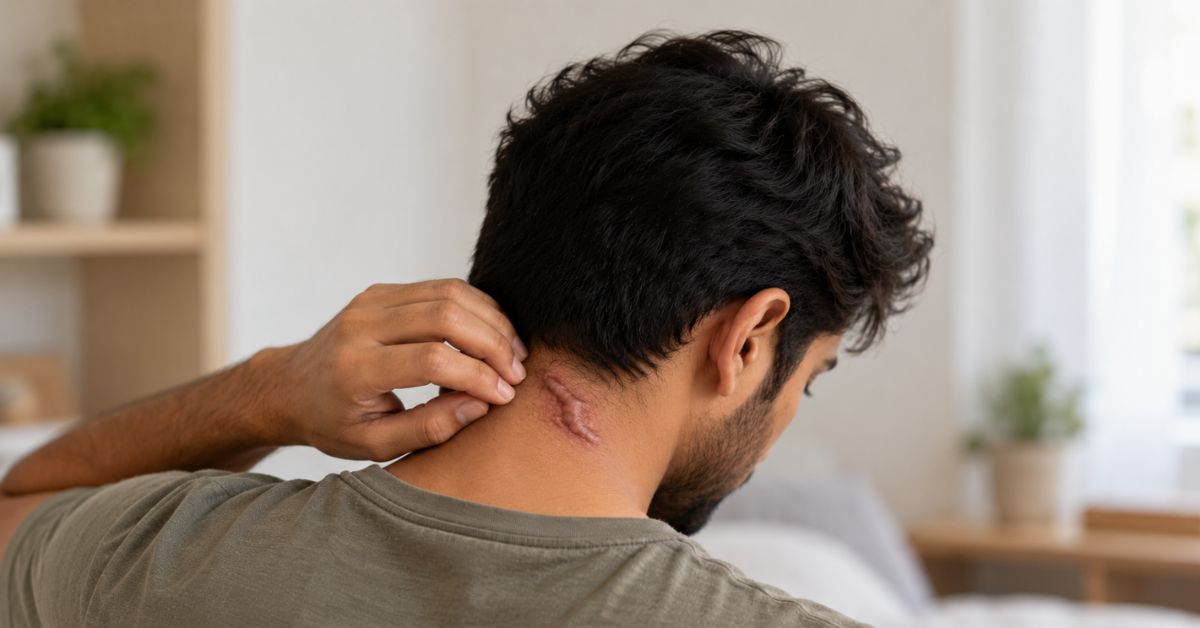
Sensitive Skin or Sensitized Skin? Why the Difference Matters
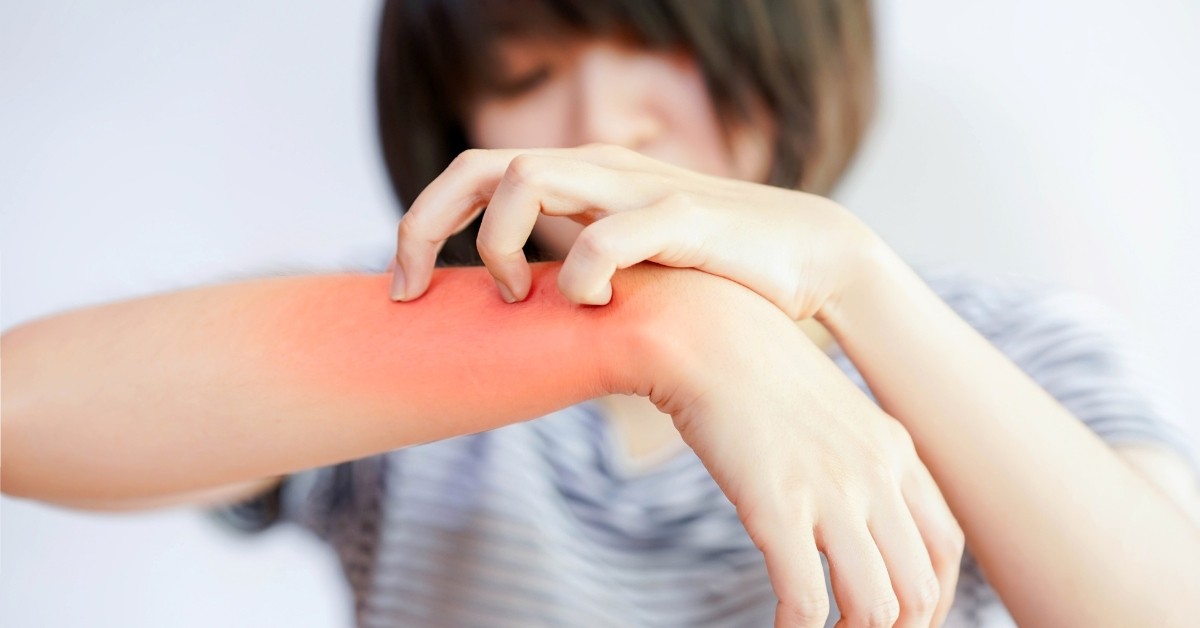
If your skin often feels red, irritated, reactive, or uncomfortable—you might label it as “sensitive.” But what if it’s actually sensitized? Though they sound similar, sensitive skin and sensitized skin are very different—and knowing the difference can be the key to calming your skin, choosing the right products, and avoiding long-term damage. Let’s break it down.
What Is Sensitive Skin?
Sensitive skin is usually a permanent skin type, something you're born with or genetically prone to. It’s a skin that naturally overreacts to common triggers like weather changes, certain ingredients, or environmental factors.
Common signs of sensitive skin:
Redness or flushing
Stinging or burning sensation
Thin, dry, or easily reactive skin
Prone to conditions like rosacea or eczema
Causes:
Genetics or family history
Skin disorders (like rosacea, eczema, dermatitis)
Naturally weaker skin barrier
If you have sensitive skin, it requires gentle, long-term care to keep it calm and balanced.
What Is Sensitized Skin?
Sensitized skin is a temporary condition, often caused by external factors that compromise the skin barrier and make the skin overly reactive. In other words, your skin became sensitive—but it wasn’t always that way.
Common signs of sensitized skin:
Redness or tightness
Itchiness, stinging, or a burning feeling
Unexpected breakouts or rough patches
Skin that used to be “normal” but suddenly reacts to everything
Causes:
Overuse of actives (acids, retinoids, vitamin C)
Harsh products or exfoliation
Stress, poor sleep, or diet changes
Weather changes or travel
Pollution or hard water exposure
The good news? Sensitized skin can be healed with the right care.
Why the Difference Matters
Understanding whether your skin is truly sensitive or just sensitized can change everything:
Sensitive Skin | Sensitized Skin | |
Cause | Genetic / inherent | Environmental / lifestyle triggers |
Duration | Lifelong skin type | Temporary condition |
Treatment | Ongoing gentle care | Restoring barrier & removing irritants |
Goal | Manage & avoid flare-ups | Calm, repair, and reset |
If you treat sensitized skin as if it were genetically sensitive, you might avoid actives your skin actually needs in the long run. And if you treat truly sensitive skin too aggressively, you’ll risk more flare-ups and damage.
How to Care for Sensitized Skin
If your skin is suddenly reactive, here’s how to reset:
Stop all active ingredients (retinol, AHAs, exfoliants) temporarily
Use a gentle, non-foaming cleanser
Apply a barrier-repair moisturizer with ceramides or panthenol
Avoid fragrance, alcohol, or harsh surfactants
Wear SPF daily—even indoors
Give your skin time to recover before reintroducing actives
When to See a Professional
If your skin reactions are frequent, worsening, or affecting your daily life, it’s best to see a dermatologist or licensed skincare professional. A proper skin analysis can help determine what you’re really dealing with—and how to treat it safely.
Not all sensitivity is created equal. What seems like “just sensitive skin” may be a signal that your skin is stressed, overworked, and needs a break. Whether your skin is naturally delicate or just temporarily overwhelmed, the right approach makes all the difference. Need help figuring out your skin type? Book a consultation at Skindays and let our experts guide you to calm, balanced, and happy skin.