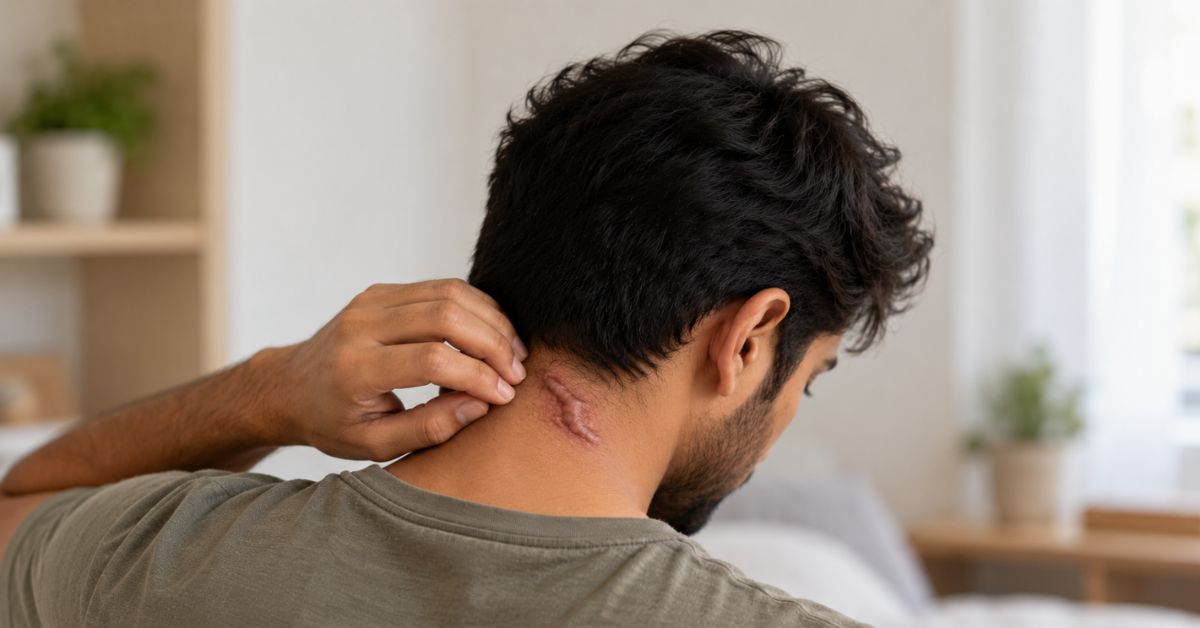
How Sleep Position Impacts Wrinkles, Puffiness & Facial Shape
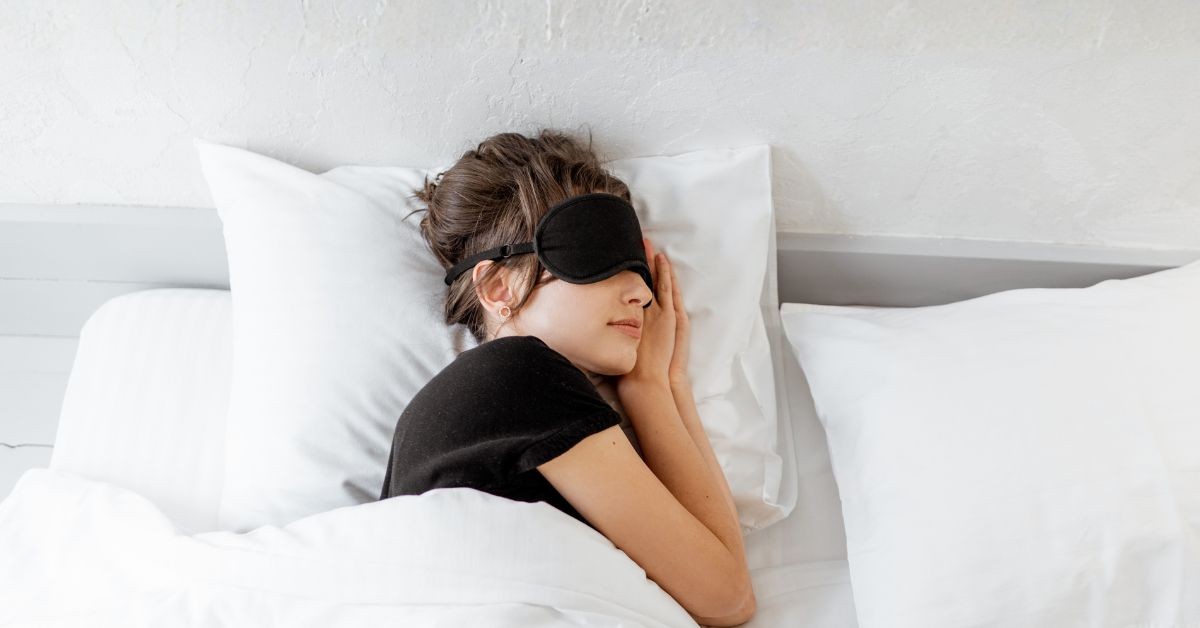
When we talk about skincare, we focus on products, treatments, diet, and lifestyle — but one factor almost no one pays attention to is sleep position. Yet, we spend nearly one-third of our lives sleeping, and the way your face rests for those hours every night can slowly shape your skin, your facial contours, and even your aging patterns.
At Skindays Clinic, we often see patients struggling with morning puffiness, creases on one side of the face, or asymmetry that isn’t caused by skincare — but by sleep compression.
This blog breaks down exactly how your sleeping posture influences your skin and what you can do to prevent long-term damage.
Why Sleep Position Matters More Than You Think
Your face experiences sustained pressure for hours while you sleep. This pressure affects:
Wrinkles & fine lines
Facial puffiness
Lymphatic drainage
Jawline contour
Skin elasticity
Long-term asymmetry
Unlike daytime expressions, which are dynamic, sleep pressure is static — meaning the same areas of your face get compressed night after night.
How Different Sleep Positions Affect Your Skin
⭐ 1. Side Sleeping (The Most Common)
Side sleeping is comfortable — but harsh on your skin.
Effects on the face:
Compression lines on the side you sleep on
Faster wrinkle formation (nasolabial folds, crow’s feet)
Facial asymmetry over time
Morning puffiness from restricted lymph flow
Cheek volume appearing “flatter” on the compressed side
You may notice one side of your face aging faster — this is why.
⭐ 2. Stomach Sleeping (Most Damaging)
This position presses one entire side of the face into the pillow.
Effects:
Deep sleep lines
Puffy eyes
Flattened cheek contour
Increased acne from pillow friction
Neck strain, leading to jaw tension and TMJ issues
Stomach sleepers often wake up with swollen faces and inconsistent skin texture.
⭐ 3. Back Sleeping (Best for Skin)
Sleeping on your back prevents compression and supports better fluid drainage.
Benefits:
Fewer wrinkles
Minimal puffiness
Balanced facial symmetry
No friction or pulling
Promotes natural collagen support
This is the dermatologist-preferred sleep position for anti-aging.
Why Morning Puffiness Happens
When your face is pressed against a pillow, lymphatic fluid cannot drain properly.
This causes:
Puffy under eyes
Swollen cheeks
Heaviness around the jawline
Dull, congested appearance
Compression slows microcirculation, making your face look tired even if you slept well.
Sleep Lines vs Wrinkles: What’s the Difference?
Sleep Lines
Caused by compression
Diagonal or irregular in pattern
Often appear on only one side
Become permanent with age
Wrinkles
Caused by aging, sun exposure, muscle activity
More symmetric
Follow natural expression lines
If you wake up with creases that fade by afternoon — those are sleep lines. Over time, they stop fading.
How Your Pillow & Bedding Affect Your Skin
✔ Pillow Material
Cotton causes friction & absorbs moisture.
Silk or satin reduces friction, helping prevent creases.
✔ Pillow Height
Too high → worsens neck tension + affects jawline.
Too low → fluid pooling around the eyes.
✔ Pillow Cleanliness
Dirty pillowcases accumulate:
Oil
Sweat
Bacteria
Product residue
→ leading to breakouts, irritation, and clogged pores.
Changing your pillowcase every 2–3 days can significantly reduce acne.
How to Improve Your Sleep Habits for Better Skin
⭐ 1. Train yourself to sleep on your back
Use:
A supportive pillow under knees
A contoured memory foam pillow
Pregnancy/body pillows for support
This reduces rolling to the side.
⭐ 2. Use a silk pillowcase
It prevents friction and allows the skin to glide naturally.
⭐ 3. Elevate your head slightly
Helps reduce puffiness and sinus congestion.
⭐ 4. Avoid heavy night creams if you get puffy
Opt for lighter hydration and let your skin breathe.
⭐ 5. Hydrate well throughout the day
Dehydrated skin is more prone to creasing during sleep.
⭐ 6. Gentle morning lymphatic drainage massage
Helps flush out overnight fluid buildup.
When Sleep Position Alone Isn’t the Issue
If you consistently experience:
Severe puffiness
Under-eye bags
Deep sleep lines
Jaw tension
Facial asymmetry
It may indicate underlying concerns such as fluid retention, allergies, weak facial muscles, or collagen loss.
At Skindays Clinic, we offer treatments that can help:
Under-eye rejuvenation
Skin tightening
Lymphatic-enhancing facials
Collagen-boosting therapies
Scar or wrinkle correction
Final Takeaway
Your sleep position silently shapes your skin more than any nighttime product can.
Small adjustments today can prevent years of premature aging, puffiness, and asymmetry tomorrow.
Better sleep posture + guided skincare = a healthier, more balanced face.
Visit Skindays Clinic for a complete assessment and a customised treatment plan that supports your skin — day and night.
📍 Skindays Clinic, Kollam
📞 Book your consultation today.